FIND OUT HOW YOUR MENTAL HEALTH CONNECTS WITH MOVEMENT AND FOOD
Physical Health and Nutrition

Positive Ealing meets 21‑year‑old personal trainer Jacob Hanif, who explains why exercise is not just about getting fit; it is one of the most powerful tools for boosting mental wellbeing.
According to PureGym’s 2025/26 UK Fitness Report, 76% of people say they aspire to be fit, yet only 48% exercise regularly. Just 3 in 10 meet the government’s recommended activity guidelines. Interestingly, the number of people who view themselves as unhealthy has decreased slightly from 22% to 21% over the last year.
Young people are showing a growing interest in building healthier lifestyles, with many placing greater value on nutrition and movement. If this trend continues, the next generation may well establish healthier routines as part of everyday life. Keeping physically active should be as essential as our “Five a day.’’ Even going for a daily walk can significantly boost mental well-being.
One person who lives by this philosophy is 21‑year‑old personal trainer, Jacob Hanif, whose exercise has become a fixture in both his academic and personal life.
Hanif is particularly passionate about Callanetics and competing in fitness tournaments. According to beaumontbodys.co.uk, “Callanetics is a low‑impact, body‑toning workout that uses small, precise pulsing movements to engage deeply into muscles. It strengthens and sculpts areas including the hips, thighs, abs, arms and glutes – all while being gentle on the joints.”
Hanif describes exercise as playing a role in every aspect of his life. Hanif believes physical activity is one of the most powerful tools for maintaining mental well-being.
“In my own experience,” he says, broadening his shoulders as he speaks, “whenever I feel sad, I can release that emotion through heavy lifting or a really intense workout.”
Hanif is also keen to stress that the right type of exercise will differ from person to person. For some, Callanetics may be the perfect fit. Others might prefer body‑weight training or using simple equipment at home.
“You don’t need to go to the gym if you’ve got a few basics at home,” he adds. “Even burpees or a morning walk can help. Sunlight on your face will boost your baseline dopamine for the rest of the day.” Hanif’s Top 3 Types of Exercise.
“I just don’t feel right if I don’t exercise,” Hanif says with honesty, “When I work out, I feel happy. Endorphins get released - through cardio and through weightlifting too.’’
Hanif points to his head. “It’s all connected to the amygdala, the part of the brain known for handling fear and anxiety, but also for influencing how we evaluate rewards and engage in motivated behaviour. Challenging ourselves through exercise can activate these emotional and motivational systems, helping to shift our overall mindset.”
Finally, Hanif’s Advice for Beginners is simple. “Stay motivated in what you’re doing. You will get there.”
Image by: Samantha Gades
Hanif’s Top 3 Types of Exercise:
Walking: Simple, free, and hugely effective.
Callanetics: Hanif’s personal favourite for strength and toning.
Body‑weight and heavy lifting: Ideal for building both power and confidence.

TRENDING • HEALTH
Dietitian’s Simple Advice
Community dietitian Meenal Savani works across West Ealing, helping people understand how everyday food choices shape their health, energy and mood, showing how small, simple changes can have a powerful impact on overall well-being.
Meenal Savani is a community dietitian based in West Ealing, working with the Central and North West London NHS Trust (CNWL). She supports people in their homes and care homes, helping them understand what they eat, how it affects their bodies, and how simple changes can transform their well-being.
According to the NHS a dietitian can help one understand the science behind nutrition and provide information and advice regarding nutrition choices. Savani decided to study dietetics because it combined her love of science with the opportunity to help people directly. “I knew it was what I wanted to do,” she says.
As a community dietitian, Savani assesses the nutritional needs of her patients by considering their weight, medical conditions, medications and daily eating patterns. Savani then offers tailored guidance to help them eat in a way that supports their health and lifestyle.
According to gov.uk, less than 1 in 5 adults (17%) met the 5-a-Day recommendation. Savani states encouragingly, “The smallest changes often have the biggest impact, adding a vegetable to your plate or swapping an unhealthy snack for fruit can make a real difference.”
Food and Mood
Savani explains cheerfully, “What we eat affects our energy, blood sugars and brain chemistry, all of which influence mood.”
Savani continues to explain, “Skipping meals or relying heavily on processed foods can lead to fatigue, irritability and brain fog. When you have balanced meals, which are healthy and nutrient-rich, it helps to stabilise your mood and support your emotional resilience.”
Final advice
“Focus on variety,” Meenal says. “Prioritise regular meals and balanced snacks, especially when life gets busy. Even something as simple as choosing fruit as a snack can support both your physical and mental well-being.”
Image by: Dan Gold
Simple Nutritional Advice:
Savani outlines her top five essentials for staying nutritionally well:
Eat a variety of foods
No single food contains all the nutrients we need.Have regular meals
This keeps energy levels and blood sugar steady throughout the day.Choose whole foods when you can
Think fruit, vegetables, whole grains, beans, lentils, pulses, and lean protein. Foods with few or no added ingredients.Stay hydrated
Even mild dehydration affects mood, concentration, and skin health.Aim for balance, not restriction
“Nutrition should be sustainable and enjoyable,” Savani emphasises.
Brain Food
Savani believes that the following foods are especially helpful for mental well-being:
Omega‑3 fats (found in oily fish) support brain function
Complex carbs (potatoes, pasta, rice) help produce serotonin. The calming “feel‑good” chemical
Vitamin B12 (in meat, dairy, eggs) supports nerve health and mood‑regulating neurotransmitters

Meenal Savani
Local Dietitian

NUTRITION
TRANSFORMATIVE FOOD
Nutrition specialist Beanie Robinson believes that what we eat has a profound impact on how we think and feel. Through her work at The Health Space, she helps people understand how balanced, personalised nutrition can boost mood, clarity and long‑term emotional well-being.
Good nutrition plays a far greater role in our well-being than many of us realise.
UNICEF stated that nutrient deficiencies in early life and beyond are known to affect mood, brain development and cognitive functioning, something highlighted in global nutrition research. Beanie Robinson is the founder of The Health Space - an online nutrition clinic, dedicating her work to helping people understand how transformative food can be.
Robinson’s journey into nutrition began with a deep curiosity about our bodies, she explains, “I was fascinated by the idea that our food literally forms our cells, influences the hormones we produce and shapes our brain chemistry.”
This fascination grew into a passion for Robinson, who believes in the connection between food and emotional well-being. What we eat influences our energy, mood, sleep and stress resilience.
Robinson’s business involves nutritional science. She works with her clients to create tailored nutrition plans aimed at improving their symptoms and addressing their needs and goals. Robinson emphasises, “Everyone’s biology and lifestyle are different, so personalised nutrition is key.”
Robinson is passionate about helping people understand that positive nutrition habits improve mental well-being. She explains, ‘’A lot of people experience clearer thinking or clarity of mind when they have well-spaced, balanced meals throughout the day.’’
Robinson offers her thoughts on ways we can stay nutritionally healthy.
1. Stabilise Your Blood Sugar
“Supporting blood sugar is a key one, so perhaps a protein-rich breakfast and focussing on whole foods, avoiding processed alternatives.”
This aligns with WHO’s guidance that diets high in ultra‑processed foods are linked to poorer health outcomes, while balanced, nutrient‑dense diets support long‑term well-being.
2. Adding
Robinson believes that the best way to improve your diet is by adding, “Add more fruit and vegetables, especially colourful plants. Aim for a balance of carbohydrates, proteins and vegetables on your plate.”
3. Support Your Emotional Well-being Through Food
Robinson explains that food has a powerful influence on emotional health, “The food we eat really affects our brain chemistry. Neurotransmitters that regulate our mood are made from nutrients that we consume.”
4. Prioritise Healthy Fats and Key Minerals
Robinson explains, “So one of the things that's great for mental health is making sure we've got enough healthy fats, especially omega‑3s, which play an important role in brain structure and function.” Robinson adds, “Magnesium is another essential nutrient. It supports our nervous system, helps regulate blood sugar throughout the day and contributes to a calmer, more stable emotional state.”
5. Get Help
Changing eating habits can feel overwhelming, which is why Robinson encourages people to get support from a professional and try to make one change in their diet.
Image by: Anh Nguyen
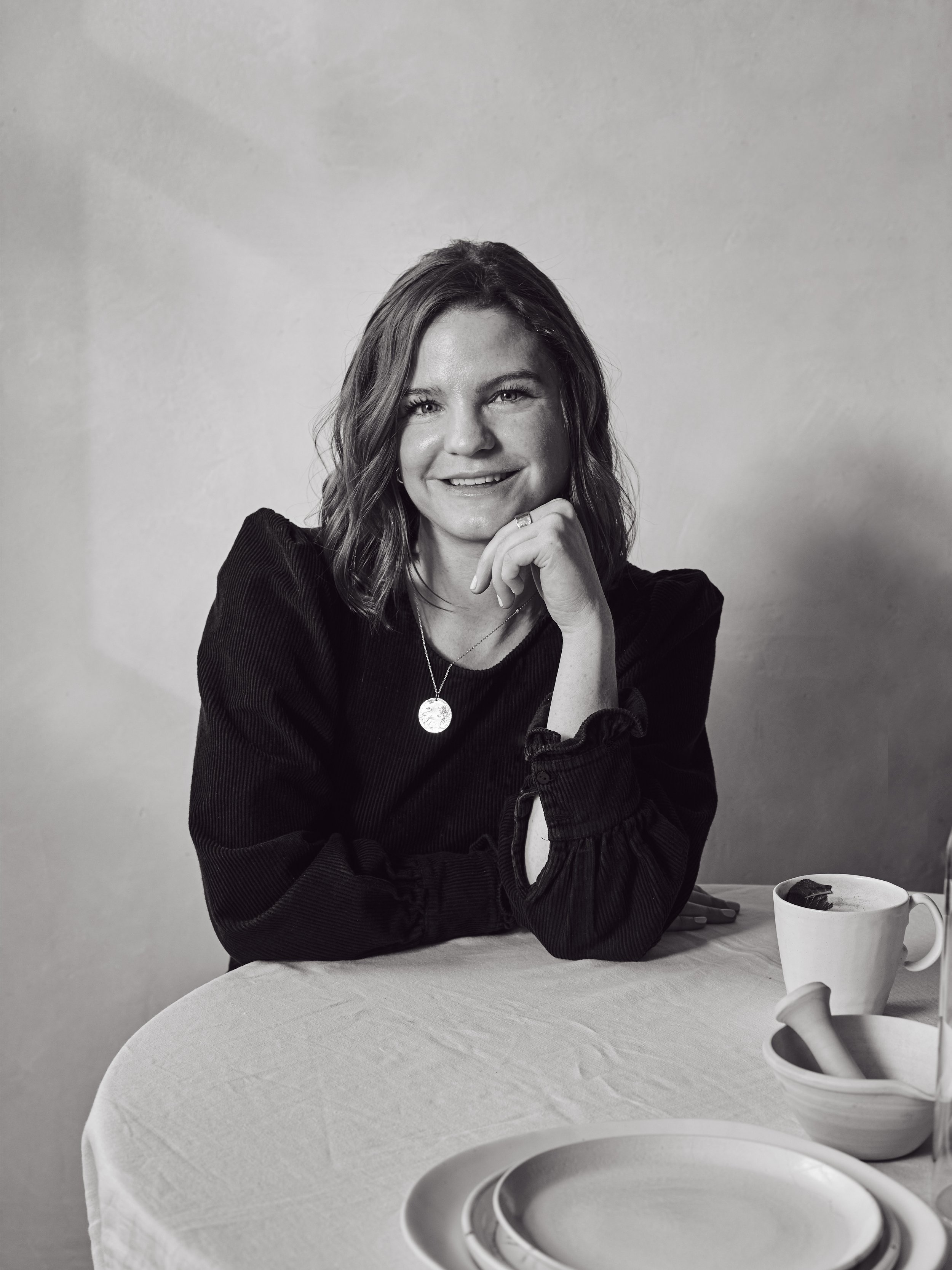
Beanie Robinson
Nutritionist

FOOD GROWING
MindFood
MindFood reveals how programme coordinator Lucy Clark uses nature, gentle creativity and mindful growing to help people slow down, ease stress and rebuild their mental well-being. “Be kind to yourself and be patient”, says Clark to anyone hoping to improve their mental well-being.
Lucy is a Programme Coordinator at MindFood, a community-based charity in Ealing that helps people manage stress, anxiety and low mood through nature, food growing and gentle mindful activities. Clark describes the charity as “a place where busy brains can slow down.”
MindFood teaches evidence-based well-being and mindfulness techniques for everyday self-care. MindFood’s sessions range from growing food courses to a creative nature art group. There is even a special class for mums and babies.
Clark was inspired to run MindFood from her own experience of burnout. Struggling with the pressure of constant deadlines of working in the fast-paced food industry, Clark realised her mental health was suffering.
Clark’s day-to-day responsibilities revolve around the allotment, where Clark welcomes newcomers to see if it is the best for them and oversees volunteers by making sure they are ok and helping them grow things such as vegetables.
When asking about how MindFood improves mental well-being, Clark’s face glows and tells me, “It’s nice to be working in an allotment as nature offers an escape. We do what nature feels like telling us to do. For example, if somebody wants to take things super gently, then we'll just do some seed sowing. And if they're feeling a bit more energetic, then we'll get them to do some digging.’’
When I ask how MindFood supports mental well-being, Clark lights up, “I find that four things help settle a busy mind.’’
1. A positive or creative focus
Hands-on tasks like planting or art give your thoughts something gentle and grounding to hold onto.
2. Nature as an escape
Being outdoors naturally slows the nervous system and shifts your attention away from stress.
3. Soft fascination
Tiny movements like grass swaying and branches rustling send subtle signals to your brain that everything is safe, allowing you to relax without effort and be in a state of mindfulness.
4. Connection with others
Sharing the outdoors with people who understand what you’re going through creates a quiet sense of belonging.
Clark has seen countless success stories of those coming to MindFood. “Every volunteer fills out a well-being survey when they start a six‑week course and again when they finish. We can measure their improvement, but the real magic is seeing people come out of their shells, chatting with someone while their hands are in the soil.”
Image by: Ray S. Kusuma
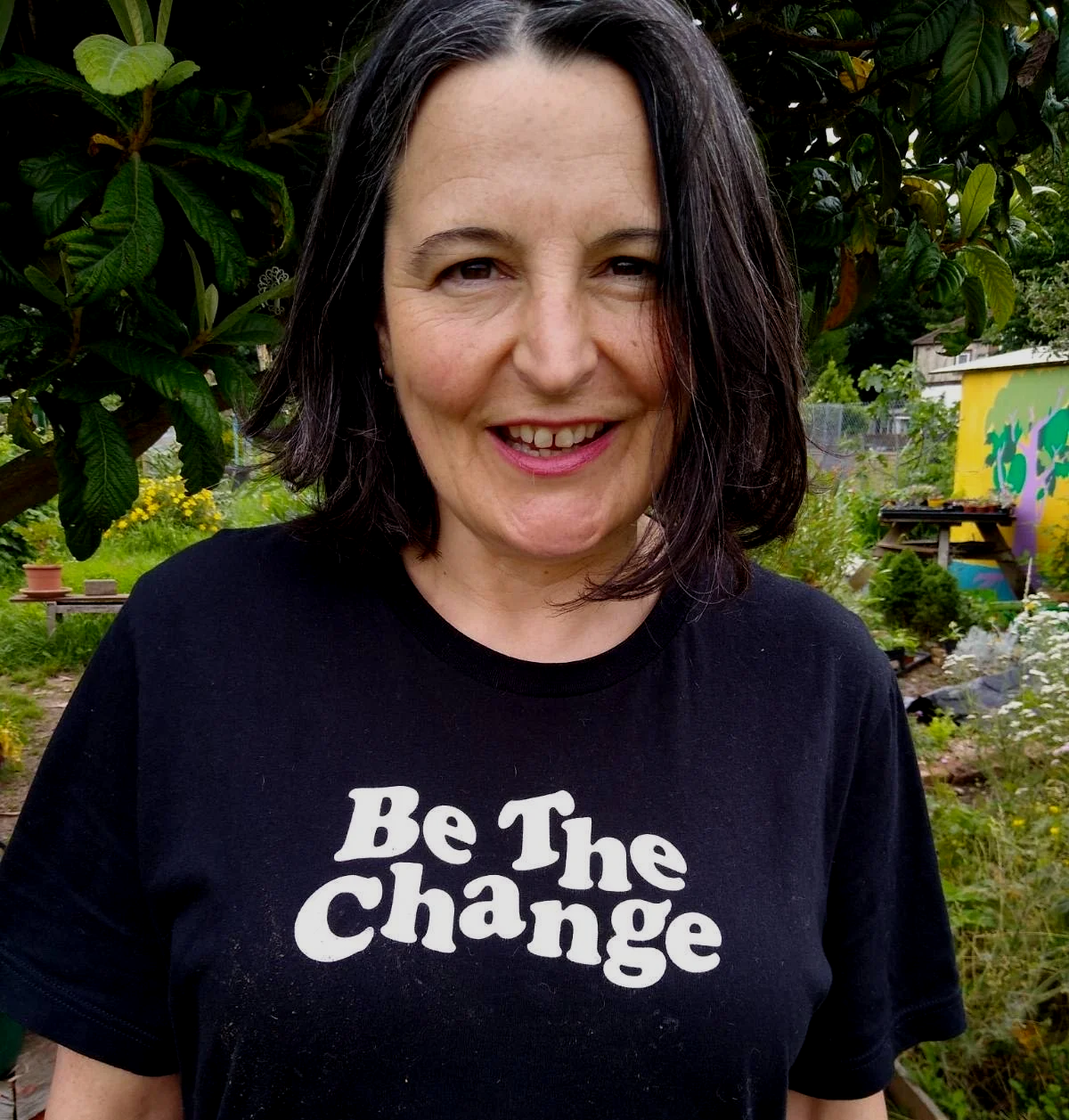
Lucy Clark
Programme Director