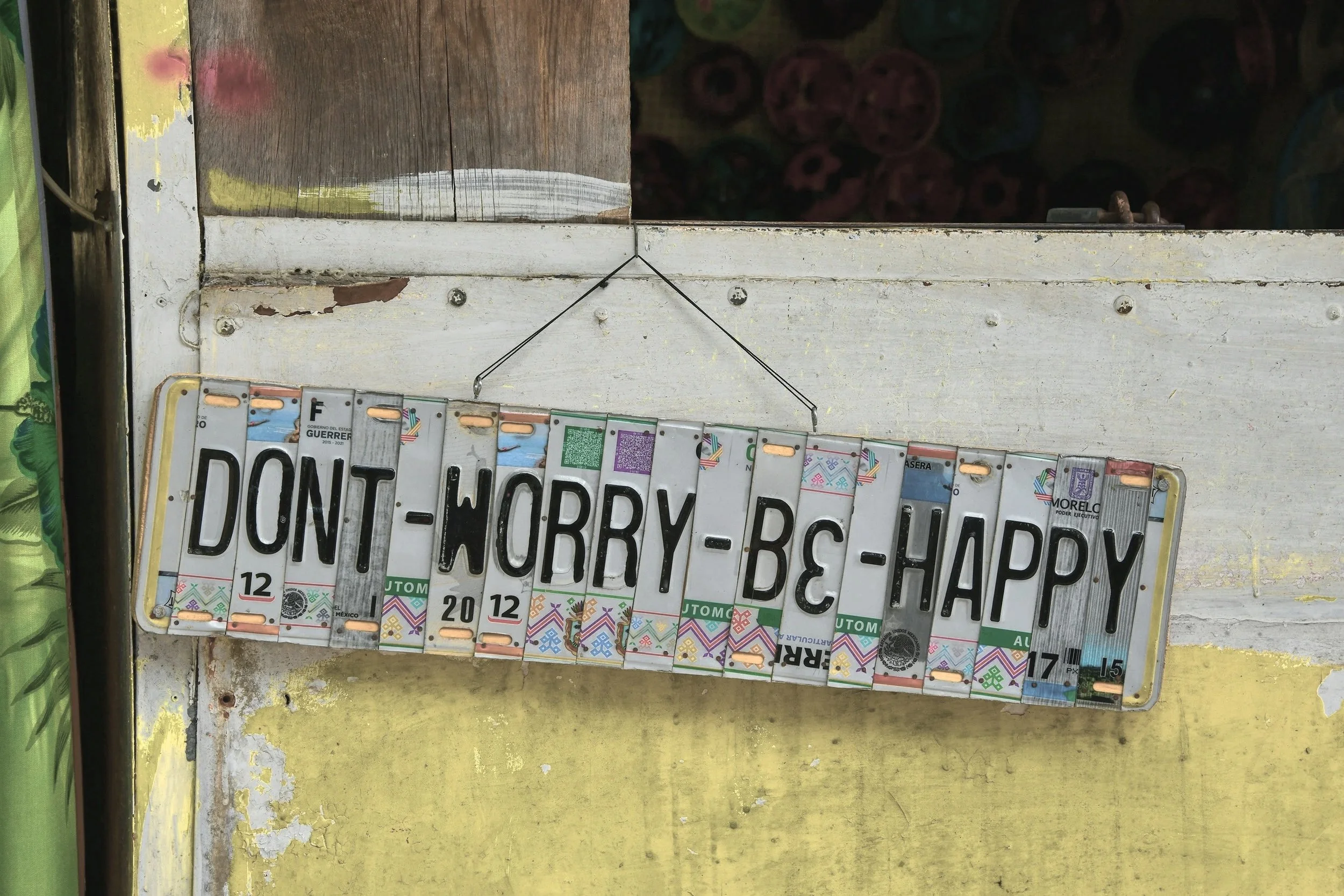
TWO ARTICLES TO HELP YOU
Reduce Stress
You’re Not Alone: Ways to manage stress
A Cognitive Behavioural Therapist, referred to here as Joe, explains what stress really is, how it shapes our thoughts and bodies, and the practical coping strategies that can help people regain balance in their everyday lives.
In the world today, stress can play a role in day-to-day activities. Stress can increase a person’s anxiety and have a long-term, profound effect on an individual’s mental well-being.
A conversation with a dedicated Cognitive Behavioural Therapist (CBT) whose calm presence and compassionate approach offer a lifeline of support during life’s most challenging moments.
The therapist, who wanted to remain anonymous, describes their role as a “lifelong dream,” providing therapy, psychological guidance and family interventions while managing a caseload of individuals.
Understanding Stress
“Stress,” Joe explains in a matter-of-fact way, “Is the body’s natural response to pressure. In CBT terms, it’s how our thoughts interpret a situation that affects our emotional and physical response.” They added that unresolved trauma and past experiences often shape how we react to stress in the present.
Joe pauses, then explains the common triggers of stress: “Family, work or studying. Stress depends on a person’s sensitivity and vulnerability.” They say, twiddling their thumbs thoughtfully, “Our day-to-day living situation plays a big role too.”
Recognising the signs is crucial. Joe lists typical symptoms of stress - increased heart rate, feeling anxious, palpitations, chest tightness, nausea, dizziness and light-headedness.
These physical cues often accompany certain types of thought patterns, which can have an emotional or stressful response, which CBT aims to address.
Coping Strategies That Work
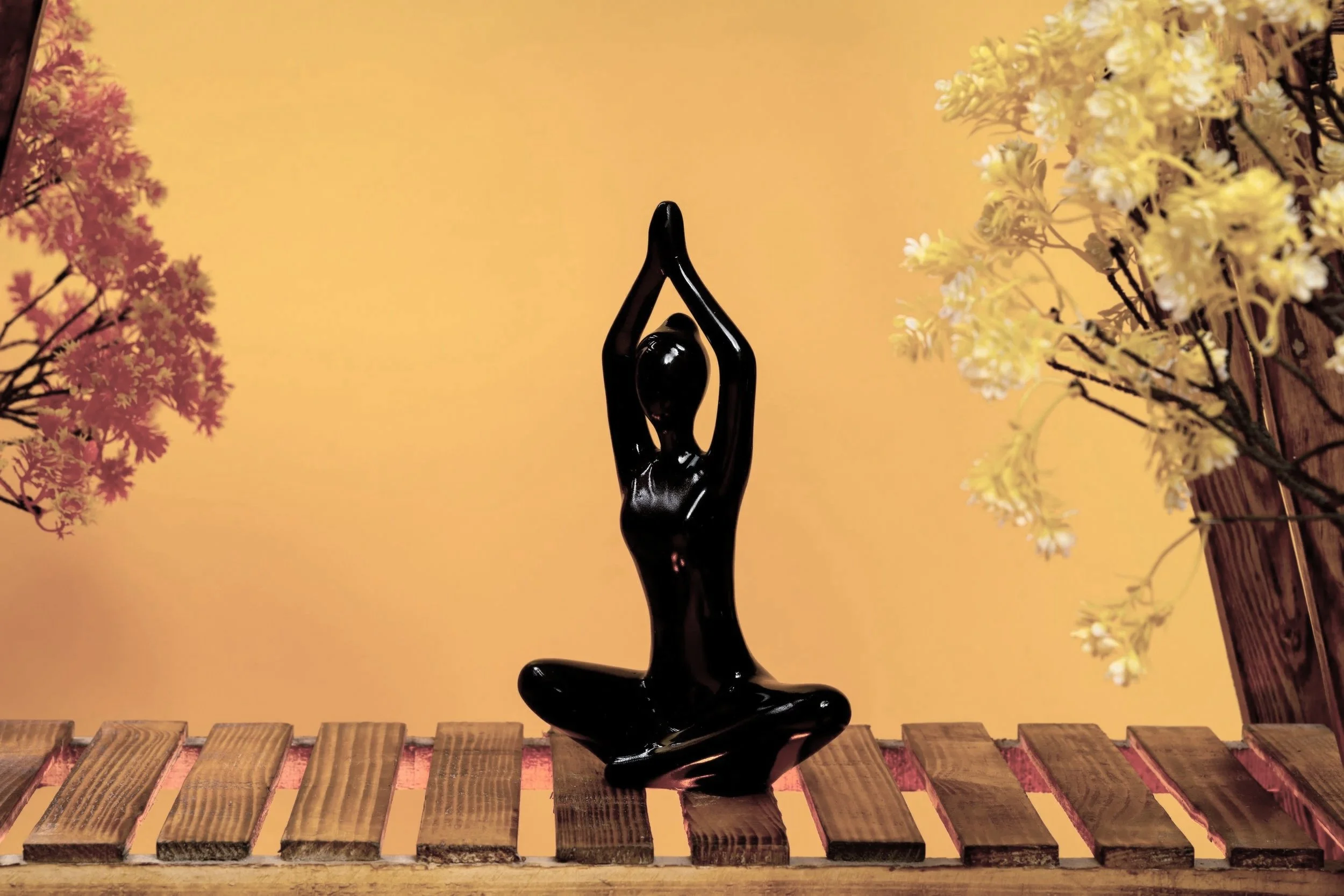
When asked about managing stress, Joe emphasises tolerance, acceptance, mindfulness, relaxation, compassion and focus – they recommend activities like yoga, swimming, journalling or creative arts such as colouring. All proven ways to calm the mind. Joe gave some simple, practical advice:
The Therapist’s message is clear: You’re not alone. Whether through therapy, family support or simple daily habits, there are ways to manage stress and reclaim balance.
Image by: Shelly Pauls
Joe’s Simple Advice to Reduce Stress:
Breathing: Is a key technique for keeping the body calm. “Breathe in for 5 seconds, out for 10. It’s simple but powerful.”
Sleep: “A good night’s sleep has a profound effect on the body.”
Mindfulness:“Paying attention to what is going on inside and outside ourselves, moment by moment.”
Routine: “Having a daily routine is key to prevent stress before it starts.”
MANAGING STRESS
Meditation
Meditation: An Ancient Practice Transforming Modern Lives
Meditation has become a powerful well-being tool for many. For 81‑year‑old Ealing resident Agya Oberai, it has transformed her outlook on life, helping her move from anxiety to gratitude and inner peace.
Meditation first appeared in Hindu scriptures nearly 5,000 years ago, referenced in the sacred Vedas. Its journey to the West began much later, reaching the UK in the late 19th and early 20th centuries. Today, meditation has evolved into a global well-being tool, embraced across cultures for its ability to strengthen emotional resilience.
For 81‑year‑old Agya Oberai, a British-Asian resident of Ealing, meditation has been nothing short of life‑changing.
“I have an attitude of gratitude now,” she says with a warm, assured smile. A simple sentence that reflects Oberai’s profound personal transformation.
Oberai first turned to meditation during a difficult period, when anxiety and depression began to affect her ability to cope with day‑to‑day life. “I could not think straight, and it only made me more depressed,” Oberai looked sorrowful and recalls, “I couldn’t look after my unwell husband or myself or my business.” It was meditation, she says, “It relieved my anxiety. My emotional and mental health improved. My husband’s health improved and our business was saved.”
For Oberai, meditation has given her a deeper understanding of herself and her place in the world. “Peace, beauty, spiritual power, wisdom, happiness and bliss. I realised these qualities were already inside me, not in material things and that helped me,” Oberai says whilst offering a smile.
Meditation has reshaped Oberai’s daily mindset. She began writing ten positive things each day, a practice that helped her replace habitual complaints with gratitude. “Before, I would only complain. But meditation helped me tolerate more and appreciate more. I became patient by understanding that everyone is a soul with a unique role. So I accepted people instead of expecting them to change.”
Now part of a local meditation group, Oberai continues to deepen her practice while learning techniques for managing anxiety, anger management and calming your worries. She firmly believes meditation benefits all ages.
For Oberai, meditation is a daily anchor that continues to shape her life with peace, calm and gratitude. She offers her advice for beginners.
“Be open‑minded. Sit in a quiet corner. Breathe in for five - hold for five - and release for five. It will help you control your thoughts. You can sit on the floor or in a chair — just start.”
Oberai continues, “Morning reflection, positive affirmations and writing them down greatly improved my mental well-being.”
Image by: Rinku Shemar
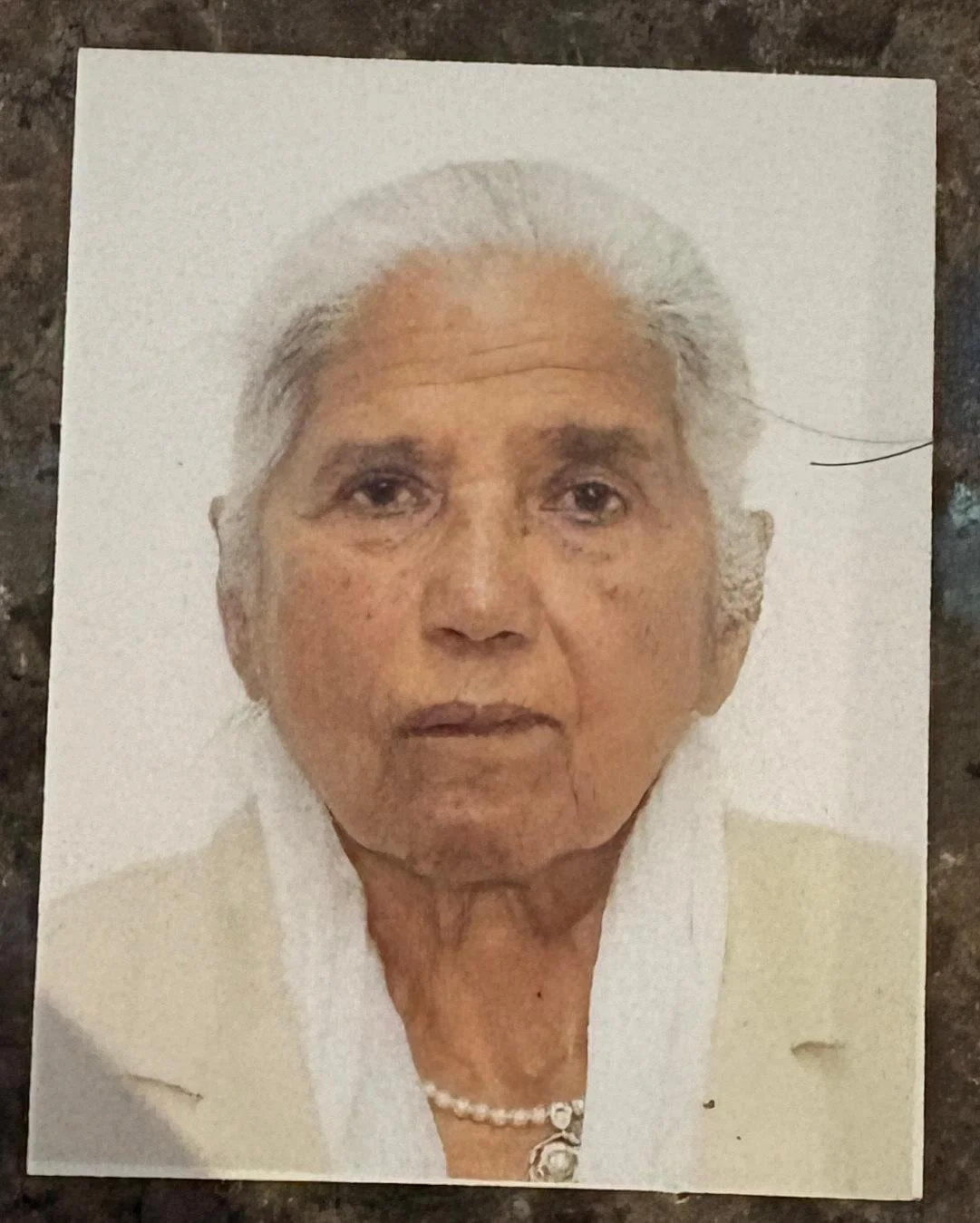
Agya Oberai
Meditation Enthusiast